 I watch and read a lot of tech news, and when it comes to phones, tablets, and about anything else that is portable, reviewers, criticizers and reporters alike always complain about expandable storage. Its the one thing that drives me a little crazy since most manufactures have already figured out, the one thing that these guys haven't, expandable storage is a little pointless with cloud storage, and NFC. But in January Sony will have a product in the market place that will silence all, if not most, of the negative expandable storage comments. It's Sony's new USB flash drive, one that fits into any android devices (due to the micro USB connector), will be available. You can share files, pictures, videos, and whatever else you android device can read. It comes in 8GB, 16GB, and 32GB variants and the price starts out at $20, $30, and $63. Now the 32GB at $64 is expensive but I don't really see the need to buy that much storage unless you have several phones, and/or tablets that you want to keep separate files on without using a computer. Now this will work on Android 4.0.3 to 4.3, and hopefully soon after the device releases for Android 4.4 kitkat.
Monday, December 16, 2013
Sony's Answer For Expandable Storage.
I watch and read a lot of tech news, and when it comes to phones, tablets, and about anything else that is portable, reviewers, criticizers and reporters alike always complain about expandable storage. Its the one thing that drives me a little crazy since most manufactures have already figured out, the one thing that these guys haven't, expandable storage is a little pointless with cloud storage, and NFC. But in January Sony will have a product in the market place that will silence all, if not most, of the negative expandable storage comments. It's Sony's new USB flash drive, one that fits into any android devices (due to the micro USB connector), will be available. You can share files, pictures, videos, and whatever else you android device can read. It comes in 8GB, 16GB, and 32GB variants and the price starts out at $20, $30, and $63. Now the 32GB at $64 is expensive but I don't really see the need to buy that much storage unless you have several phones, and/or tablets that you want to keep separate files on without using a computer. Now this will work on Android 4.0.3 to 4.3, and hopefully soon after the device releases for Android 4.4 kitkat.

Wednesday, December 11, 2013
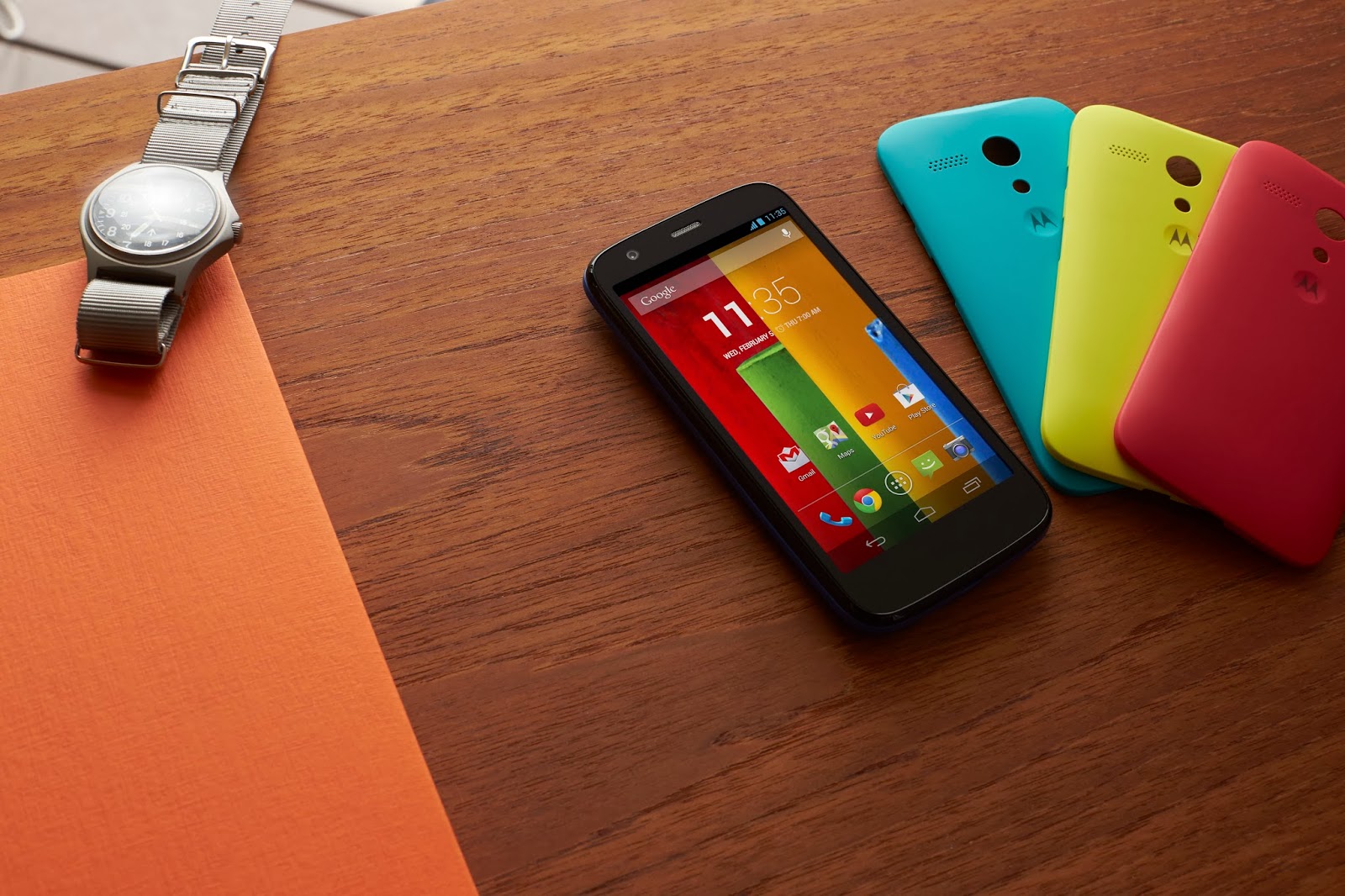
Moto G Is A Must Have For Students
Monday, December 9, 2013
Moto X's $350 Sweet Spot
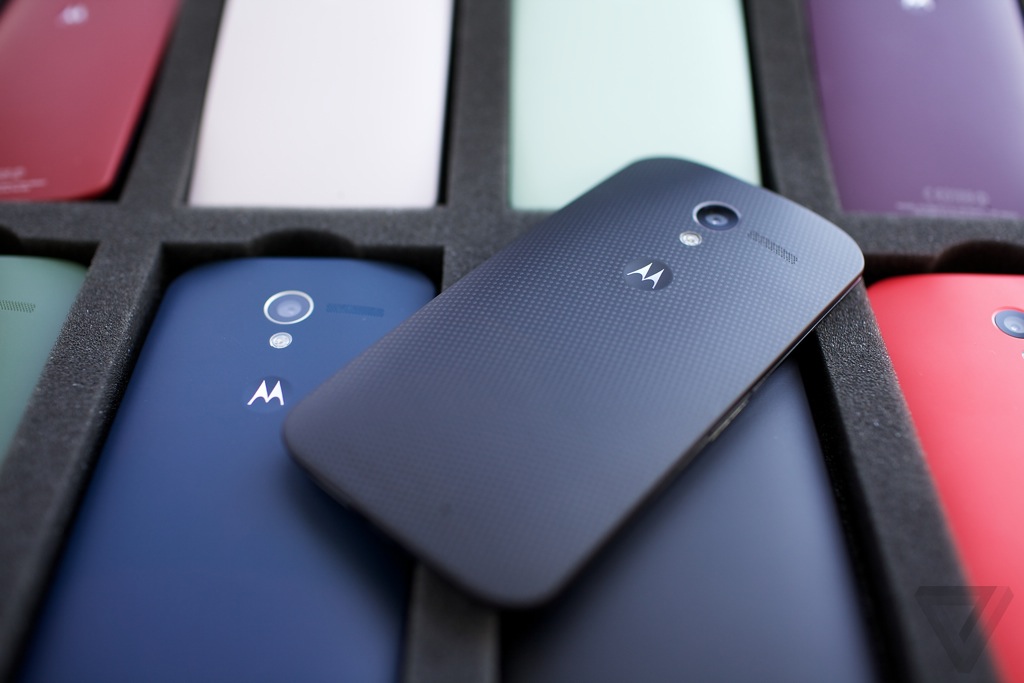 Motorola's two Cyber Monday sales shows how much consumer want the Moto X at a Nexus price ($350). Both Monday's the device sold out within 10 minutes of the phone being on sale. I can't even guess how many phones were sold because after the first cyber Monday sale the CEO of Motorola, Dennis Woodside said in an interview with Marquess Brownlee that they sold over tens of thousands of devices during the first Cyber Monday sale and that they were restructuring how Motorola did things so they could better meet the demands of there second Cyber Monday sale. Which basically means that during today's second cyber Monday sale that Motorola sold more devices then they did the first time around in the same time frame. If this is not screaming to Motorola how much consumer want the Moto X, at a more reasonable off contact price, for the specs that they offer, I don't know what else will.
Friday, December 6, 2013
Drones, Jobs, and People Can They All Coexist?
With Amazon, UPS, and Google showing off there ideas for the future and robotics some are asking will drones kill an entire workforce? Both Amazon and UPS expressed desires to use commercial drones for deliveries, so you can essentially say goodbye to your mailmen or women and Google just showed off their robotic boxes throwing arm. But to be truthful the answer to whether drones will kill entire workforces is no. Drones wont be taking over your jobs, at least not any time soon. As an electrical engineer I won't lie and say I can't totally see ways companies can use drones to cut back on human employees. In fact you don't even have to be a shipping company to see ways of using drones to cut back on employees. One example off the top of my head is mail rooms, and interoffice mail. The next would be using the cameras that most drones have, as security, to get rid of security guards. And those are just a couple of ideas. I'm sure if companies were really thinking about ways to use a drone then they could come up with a whole host of ideas to utilize one.


Now the counter argument to drones taking over a mail room or security office, is that someone is going to have to repair the robots. So if one workforce declines then another workforce increases. But I can't help think about the blue collar worker, and their rick of extinction. As technology advances, we also need to find new ways to balance automation and workers. The automotive industry found ways of doing it, so it can be done. So whether we want to or not drones, and people are going to have to coexist in the workplace.
Subscribe to:
Posts (Atom)